Bringing Montessori Principles Home: A Guide to Selecting the Best Materials

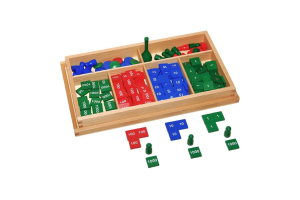
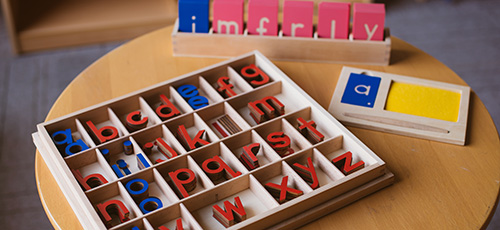
Bringing Montessori principles into your home is one of the most impactful things a parent can do to support their child's development — but it requires more than buying a few wooden toys. True Montessori home learning is about creating an environment where your child can work independently, self-correct, and develop genuine competence through hands-on exploration. Selecting the right Montessori materials is the foundation of that environment — and this guide will help you choose wisely.
Understanding the Montessori Philosophy
Before diving into the world of Montessori materials, it’s crucial to grasp the underlying principles of the Montessori Method. Developed by Dr. Maria Montessori, this educational approach emphasizes hands-on learning, self-directed activity, and collaborative play. In a Montessori environment, children make creative choices in their learning, while the classroom and the teacher offer age-appropriate activities to guide the process. Translating this philosophy to a home setting involves creating a child-centered space that encourages exploration and learning at the child's own pace.
Selecting Age-Appropriate Montessori Materials
When selecting Montessori materials for home, choose items that match your child's current developmental stage — challenging but not overwhelming. Toddlers benefit from simple puzzles and shape sorters. Preschoolers engage with counting games and basic science kits. Older children can explore advanced math tools, geography materials, and complex science sets.
Emphasizing Natural and Aesthetic Materials
Montessori materials are often made from natural, sustainable resources like wood, metal, glass, and cotton. These materials are not only safer and more environmentally friendly, but they also provide a more aesthetically pleasing and tactile experience for children. When selecting materials for home use, it’s important to prioritize items that are well-crafted and durable. The aesthetic appeal and the tactile experience of these materials can significantly enhance the learning experience.
Fostering Practical Life Skills
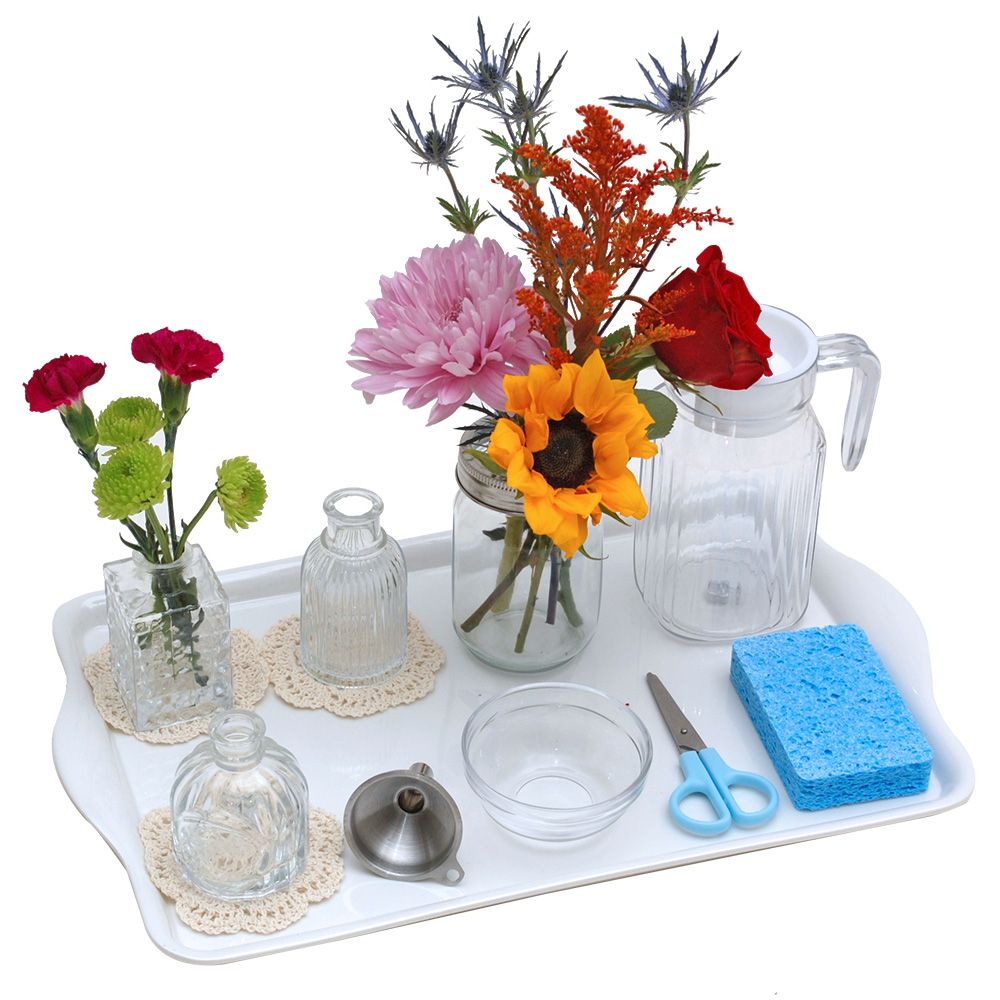
Practical life activities are a cornerstone of the Montessori method, teaching children essential life skills and promoting independence. At home, this can be as simple as including child-sized furniture, kitchen tools, or cleaning supplies. Items like small brooms, pitchers for pouring, or child-friendly kitchen utensils allow children to participate in everyday activities, developing their motor skills and sense of responsibility.
Incorporating Sensorial Materials
Sensorial materials are designed to help children refine their senses and learn to observe and differentiate the world around them. This can include anything from texture boards and sound boxes to smell bottles and color tablets. These materials help children develop cognitive skills like sorting, matching, and classifying, which are fundamental in early childhood development.
Choosing Materials That Foster Creativity and Imagination
While Montessori emphasizes practical life skills and sensorial experiences, it also nurtures creativity and imagination. Select materials that encourage artistic expression, like art supplies, music instruments, and open-ended toys. These tools should be simple and unstructured, allowing children to use their imagination and creativity freely.
Ensuring Safety and Durability
Safety is paramount when selecting Montessori materials for home use. Opt for non-toxic, child-safe materials with no sharp edges or small parts that could be a choking hazard. Additionally, durability is key. High-quality materials might be more of an investment upfront, but they withstand the test of time and can be passed down to younger siblings or other children.
Conclusion: Crafting a Montessori-Inspired Home
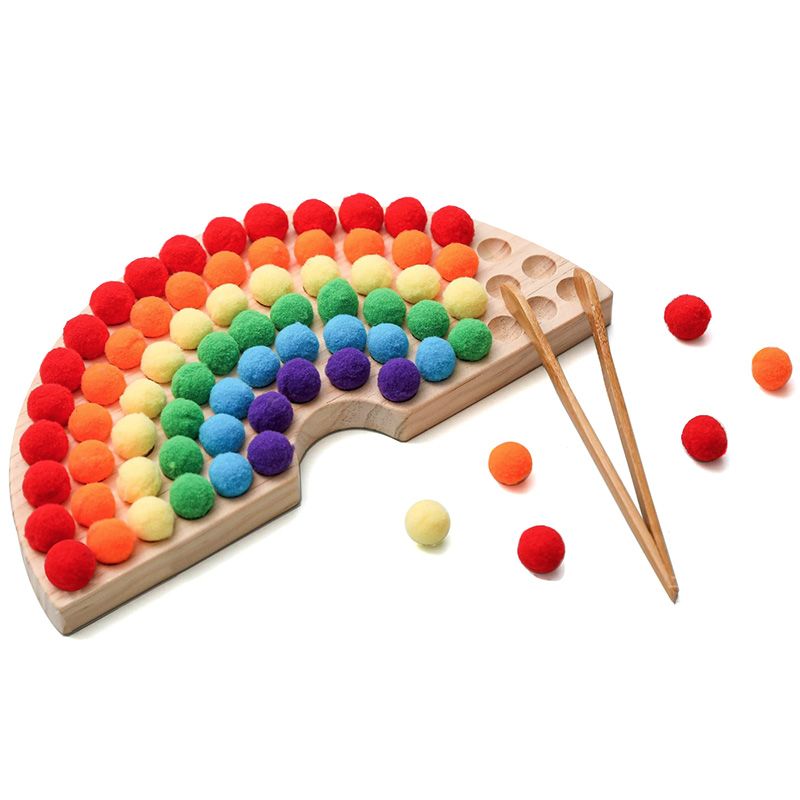
Selecting the best Montessori materials for your home is about more than just purchasing educational toys. It’s about creating an environment that mirrors the Montessori principles of respect, independence, and love for learning. By carefully choosing materials that are age-appropriate, aesthetically pleasing, and conducive to developing life skills; parents can successfully bring the Montessori philosophy into their homes by fostering an atmosphere of growth and discovery for their children. Remember, the goal is not to replicate a Montessori classroom at home, but to create a nurturing, stimulating environment where children can flourish.