Diving into the World of Montessori Sensorial Materials: A Journey of Discovery
Understanding Montessori Sensorial Materials
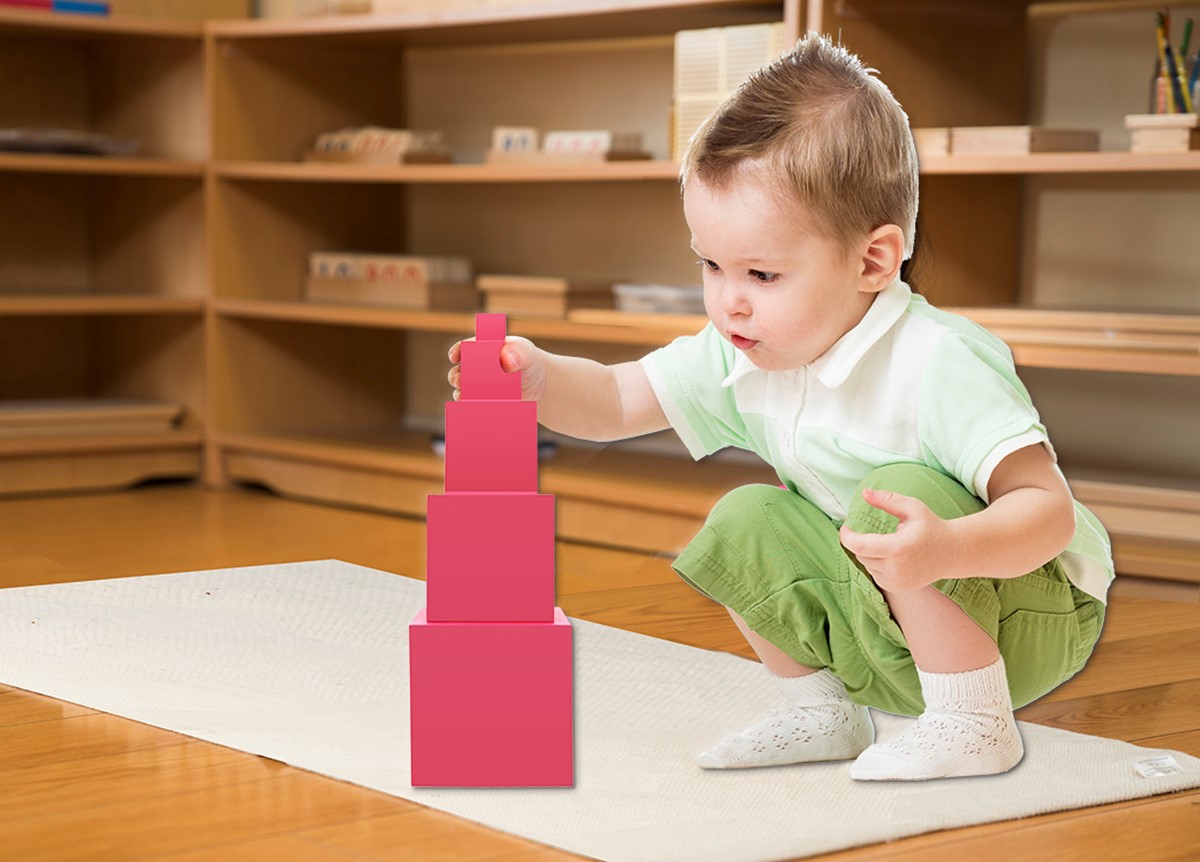
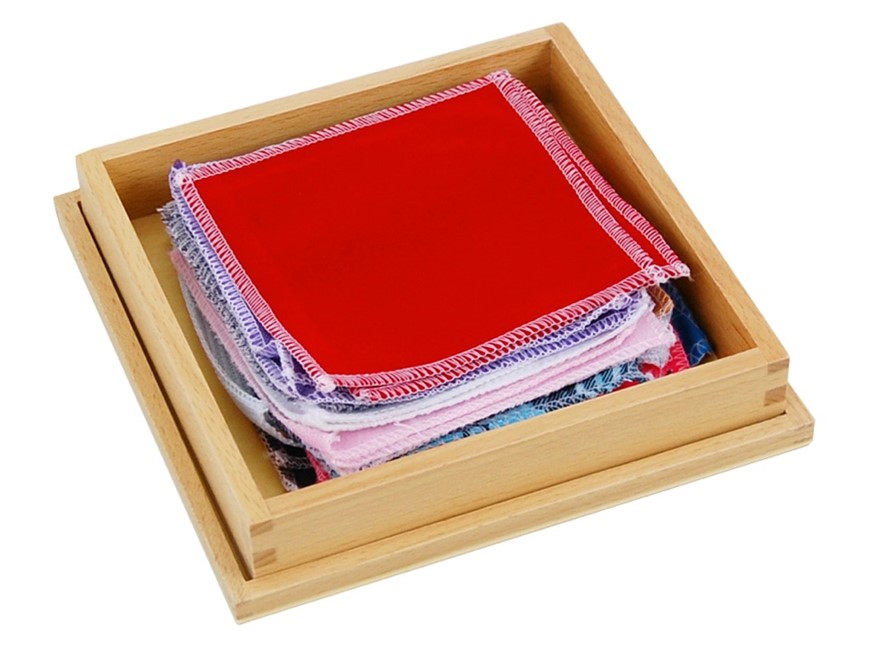
Montessori sensorial materials are carefully curated tools designed to help children refine their senses and understand the world around them. These materials come in a variety of forms, each targeting specific sensory experiences such as touch, sight, sound, taste, and smell. By engaging with these materials, children develop important skills including sensory discrimination, fine motor control, and concentration.
Exploring the Sensory Landscape
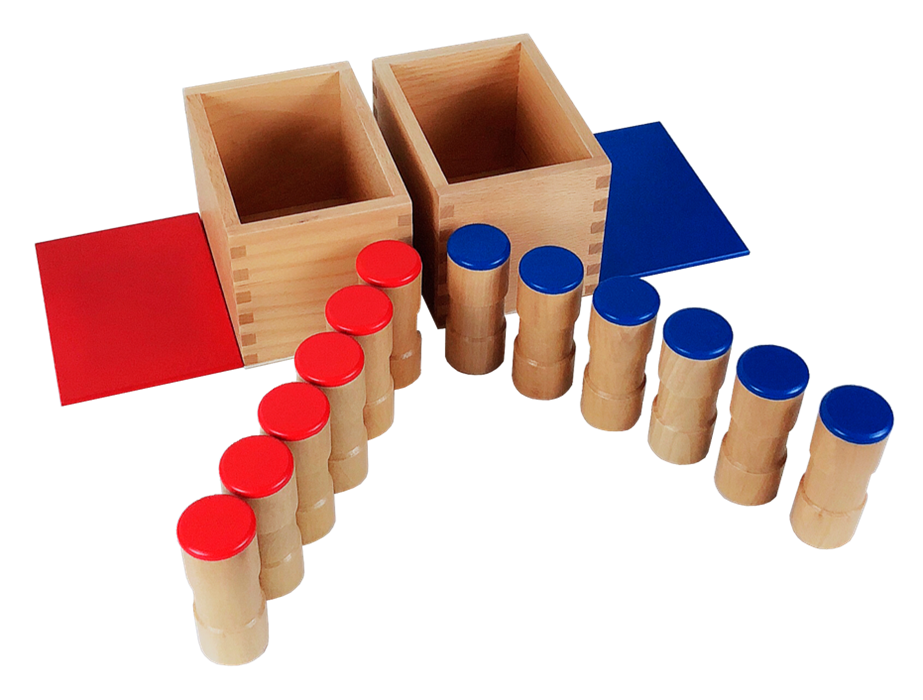
A key principle of Montessori education is the belief that children learn best through hands-on experiences that engage multiple senses. Our Montessori sensorial materials provide ample opportunities for children to explore the sensory landscape in a structured and purposeful manner. Whether it's feeling textures, matching colors, or listening to sounds — these materials invite children to actively participate in their own learning process.
Benefits of Montessori Sensorial Materials
The benefits of using Montessori sensorial materials are manifold. Not only do they help children develop their sensory perceptions, but they also lay the foundation for more advanced learning in areas such as mathematics, language, and science. By encouraging children to use all of their senses to explore and interact with the world, these materials foster a deep and meaningful understanding of concepts that might otherwise seem abstract or elusive.

Creating a Multi-Sensory Learning Environment
In a Montessori classroom, the use of sensorial materials is integrated into every aspect of the curriculum by creating a rich and immersive learning environment. Children are encouraged to move freely around the classroom, selecting materials that pique their interest and engaging in activities that cater to their individual learning styles. This approach not only fosters independence and self-motivation, but also ensures that every child receives the support and guidance they need to succeed.
The Role of the Montessori Teacher
Central to the success of Montessori education is the role of the teacher as a guide and facilitator of learning. In a classroom equipped with sensorial materials, the teacher's role is to observe, support, and encourage children as they explore and discover the world around them. By providing a nurturing and stimulating environment, teachers empower children to take ownership of their learning and develop a lifelong love of discovery.
Conclusion
In conclusion, Montessori sensorial materials play a crucial role in helping children develop their senses and make sense of the world. By engaging with these materials, children not only sharpen their sensory perceptions, but also lay the groundwork for a lifetime of learning and exploration. As we continue to unlock the wonders of Montessori education, let us remember the profound impact that sensorial materials have on shaping the minds and hearts of our youngest learners.