Montessori Classroom Materials: Unlocking the True Potential of Learning
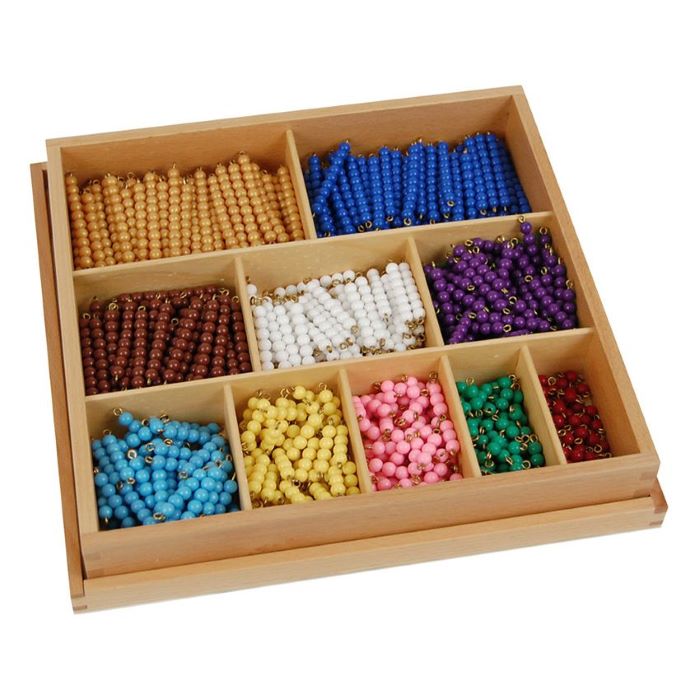
A well-equipped Montessori classroom is more than a room full of materials — it's a carefully prepared environment where every item has a purpose and a place. The right Montessori classroom materials create the conditions for deep, self-directed learning: orderly, beautiful, and precisely calibrated to the developmental needs of the children in the room. At Kid Advance Montessori, our 500+ authentic Montessori materials cover every curriculum area your classroom needs — from Practical Life and Sensorial through Language, Mathematics, and Geography.
Creating a Prepared Environment for Learning
Young children are naturally curious, but their attention span is often brief. To sustain focus and engagement, educators require tools that capture both interest and imagination. Montessori materials are thoughtfully designed to meet this need. These child-centered resources invite exploration, provide safe and meaningful interactions, and encourage students to stay engaged with their learning for extended periods of time.
Fostering Holistic Education
Montessori education emphasizes independence, coordination, concentration, and order -values that shape the whole child. The materials offer opportunities for learners to actively explore, make choices, and develop self-discipline. Beyond academics, they support children’s physical, emotional, and social growth, ensuring a balanced educational experience.
Inspiring Curiosity and Independence
At the pre-primary level, learning should feel natural and exciting. Montessori materials are crafted to spark curiosity and inspire self-directed exploration. They help children set their own goals, solve problems, and make decisions - skills that form the foundation for lifelong learning. By progressing at their own pace, students also gain confidence and a strong sense of independence.
Hands-On Learning That Bridges Abstract and Real
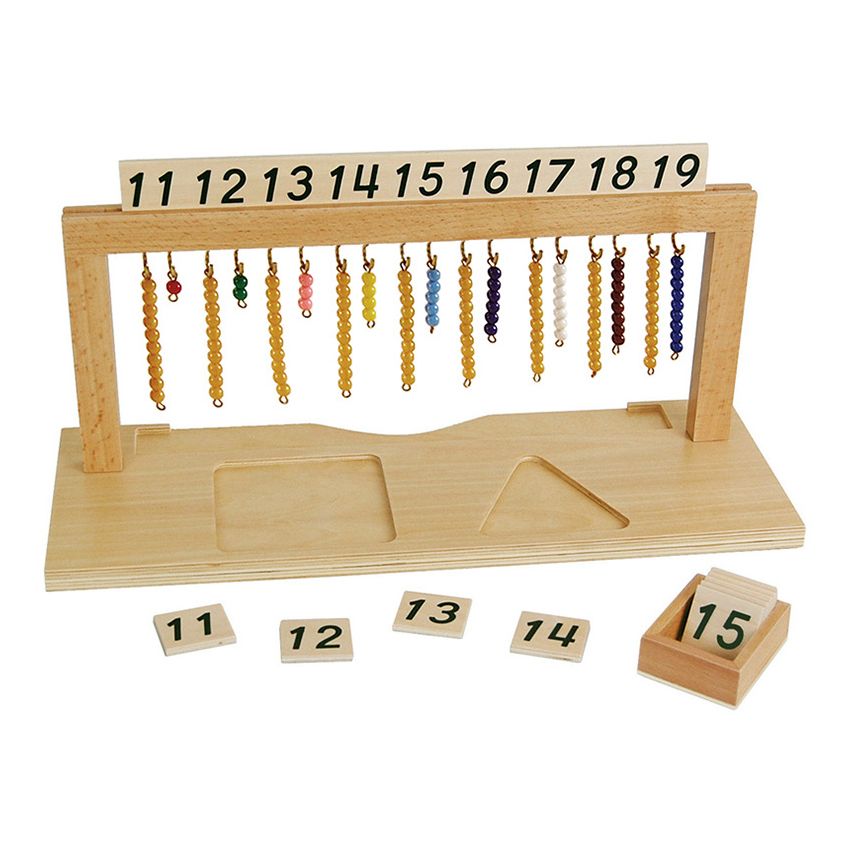
One of the hallmarks of Montessori education is its emphasis on hands-on discovery. Materials are designed to transform abstract concepts into concrete experiences. Sensorial tools, for example, allow children to grasp mathematical and scientific ideas through touch, movement, and exploration. In this way, learning becomes a multisensory adventure, stimulating both intellect and imagination.
Personalized and Adaptive Learning
Every child learns differently. Montessori classroom materials respect this individuality by adapting to varied developmental stages and learning styles. This approach ensures that no student is rushed ahead or left behind. Instead, each child is supported in mastering new skills at their own pace, cultivating both achievement and a lasting love of learning.
Developing Focus and Concentration
Concentration is a skill that develops through practice, and Montessori materials are specifically designed to encourage it. When children are immersed in purposeful activities, they experience deep focus, which nurtures mindfulness, decision-making, and problem-solving abilities. These are essential qualities for academic success and for navigating life beyond the classroom.

Choosing the Right Montessori Materials
Every learner brings unique strengths and challenges to the classroom. Teachers play a key role in selecting materials that match these individual needs. By choosing thoughtfully, educators ensure that learning remains joyful, meaningful, and effective. Montessori materials not only support intellectual growth, but also strengthen a child’s sense of belonging and enthusiasm for discovery.
Unlock the true potential of your classroom with our complete range of Montessori materials — curated for educators, trusted since 2006, and shipped from the USA.