Various Practical Life Materials That a Montessori Classroom Should Consider
Practical Life is the foundation of every Montessori classroom — and for good reason. Before children can engage with the more abstract demands of mathematics or language, they need to develop the concentration, fine motor control, and sense of order that Practical Life activities cultivate. From pouring and spooning exercises to dressing frames and care of environment tasks, Practical Life materials prepare children for everything that follows. At Kid Advance Montessori, Practical Life is one of five core areas covered in our complete range of authentic Montessori materials.
Self-Care Exercises
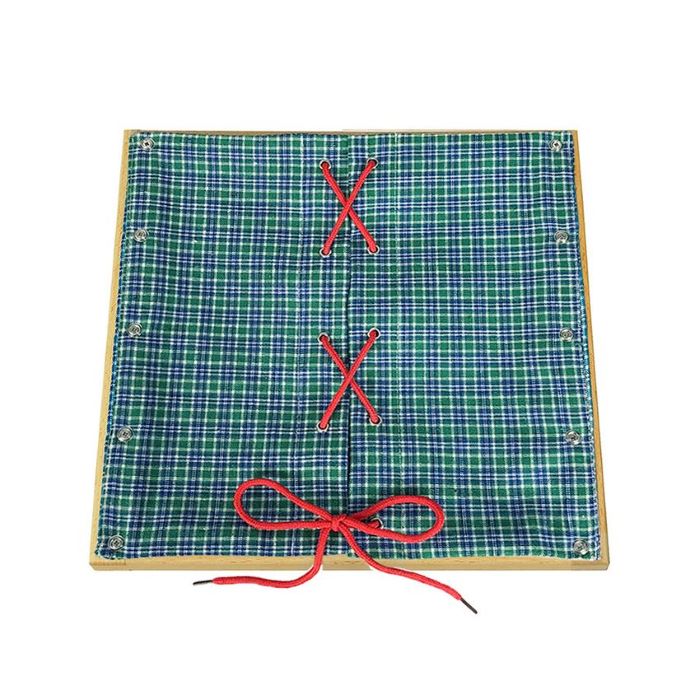
Dressing Frames
Dressing frames are classic Montessori Practical Life materials designed to help children practice fastening skills. Available in variations such as buttons, zippers, snaps, and laces, these frames encourage the development of fine motor control, hand–eye coordination, and patience. By mastering these tasks, children gain confidence in dressing independently and experience the satisfaction of self-reliance.
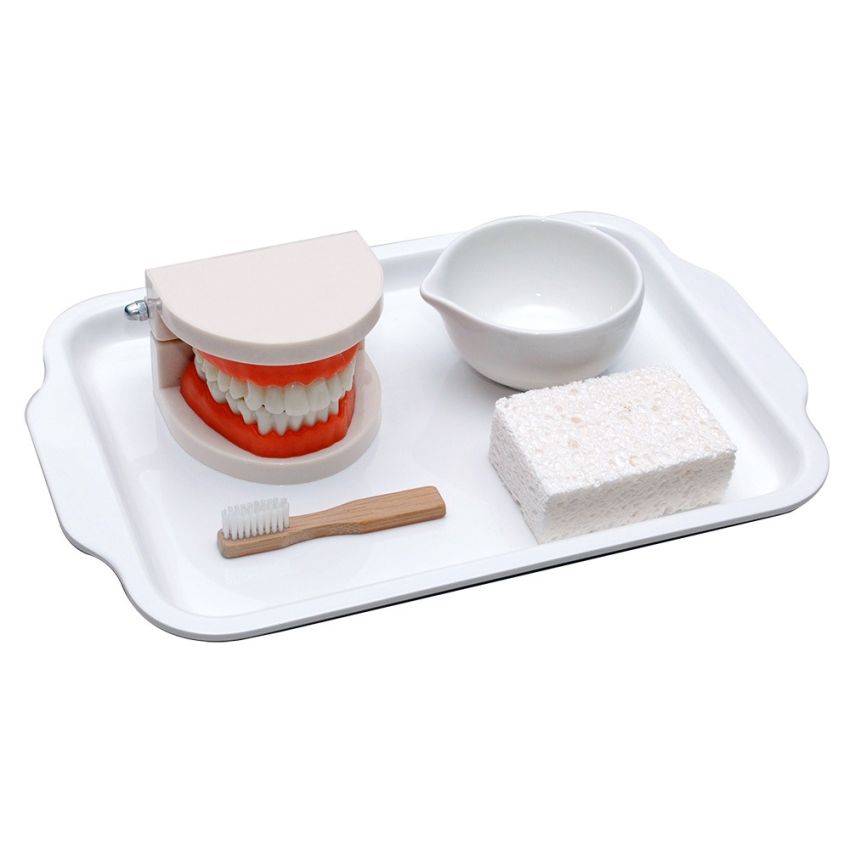
Brushing Teeth Activity Set
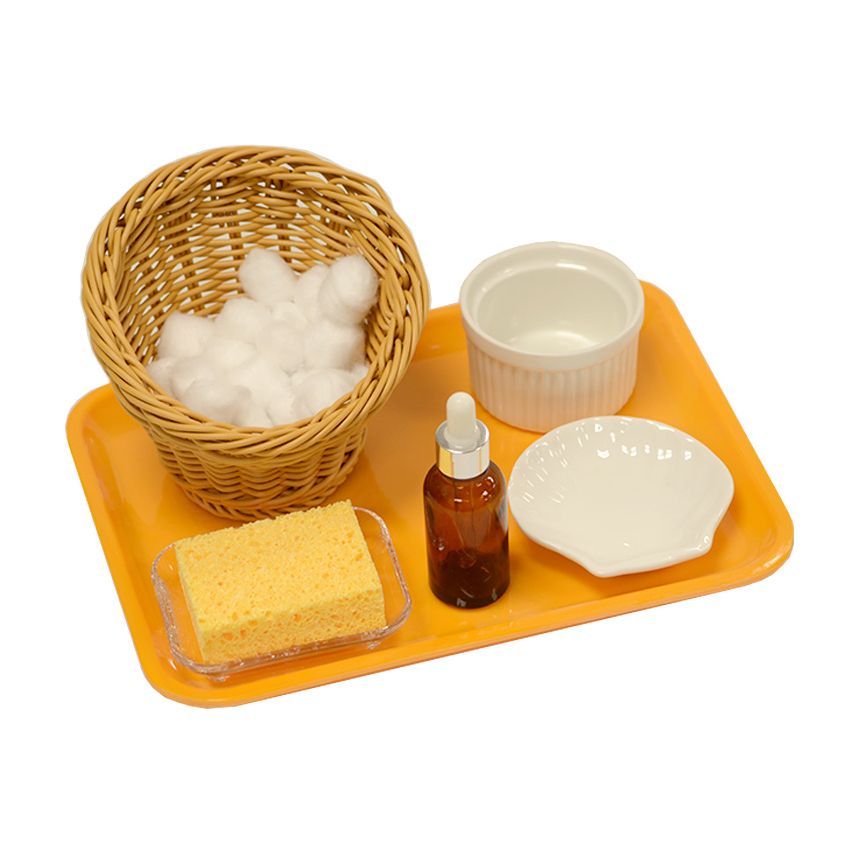
A brushing teeth activity set includes a plastic tray, teeth model, toothbrush, bowl, and white Wood pulp cotton. These materials provides a structured routine for learning proper hygiene while reinforcing sequencing skills. Beyond cleanliness, it encourages autonomy by allowing children to manage the process without constant adult intervention.
Care of the Environment
Sweeping Sets
Child-sized brooms, dustpans, and brushes are vital tools that instill a sense of responsibility for the environment. When children engage in sweeping or tidying activities, they not only refine motor coordination, but also develop respect for shared spaces. These activities foster pride in maintaining order and cleanliness within the classroom.
Plant Care Kits
Plant care kits generally include a small watering can, spray bottle, and tools for pruning and repotting. Through caring for plants, children learn about the needs of living organisms and practice responsibility in a meaningful way. This work cultivates habits of observation, patience, and environmental stewardship.
Food Preparation
Cutting and Slicing Tools
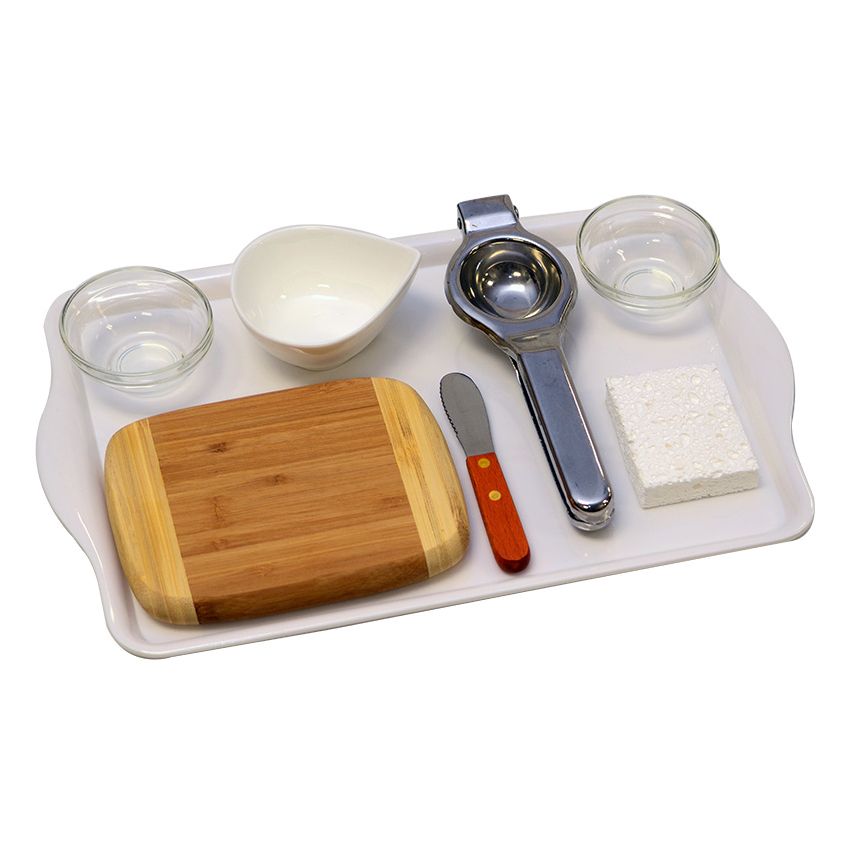
Specially designed child-safe knives and fruit slicers invite children into the world of food preparation. Using these materials, children strengthen fine motor skills, refine coordination, and gain a practical understanding of nutrition. Preparing simple snacks also nurtures independence and builds healthy eating habits.
Mixing and Measuring Sets
Bowls, cups, and measuring spoons open opportunities for children to participate in baking and cooking. These materials not only teach practical life skills, but also introduce mathematical concepts such as volume, fractions, and sequencing. Food preparation becomes a joyful intersection of sensory exploration, academic foundations, and cultural appreciation.
Grace and Courtesy Exercises
Pouring Activities
Pitchers, cups, and small containers are used to teach controlled pouring. These activities develop precision, concentration, and perseverance while strengthening hand–eye coordination. Mastering pouring fosters a sense of competence and responsibility for one’s actions.
Table-Setting Kits
Table-setting materials typically include small plates, cups, cutlery, and napkins. By practicing this routine, children learn the social graces of meal preparation and develop an appreciation for community dining. Such activities encourage respect, order, and a sense of belonging.
Fine Motor Development
Transferring Activities
Activities using tweezers, spoons, or tongs allow children to move small objects with focus and control. These exercises are fundamental for developing fine motor precision, concentration, and readiness for writing.
Sewing and Beading Sets
Sewing and beading materials nurture creativity while refining dexterity. Children practice threading needles, tying knots, and creating patterns, all of which encourage problem-solving, patience, and artistry.
Sensory Development
Sensory Bins
Bins filled with materials such as sand, rice, or beans provide opportunities for children to explore textures and strengthen their tactile senses. Often paired with scoops or spoons, these activities enhance both sensory perception and coordination.
Sound and Smell Bottles
Sound cylinders and scent jars are designed to refine auditory and olfactory discrimination. Children practice identifying and matching sounds or scents, which sharpens sensory awareness and deepens cognitive engagement.
Social Development
Role-Playing Sets
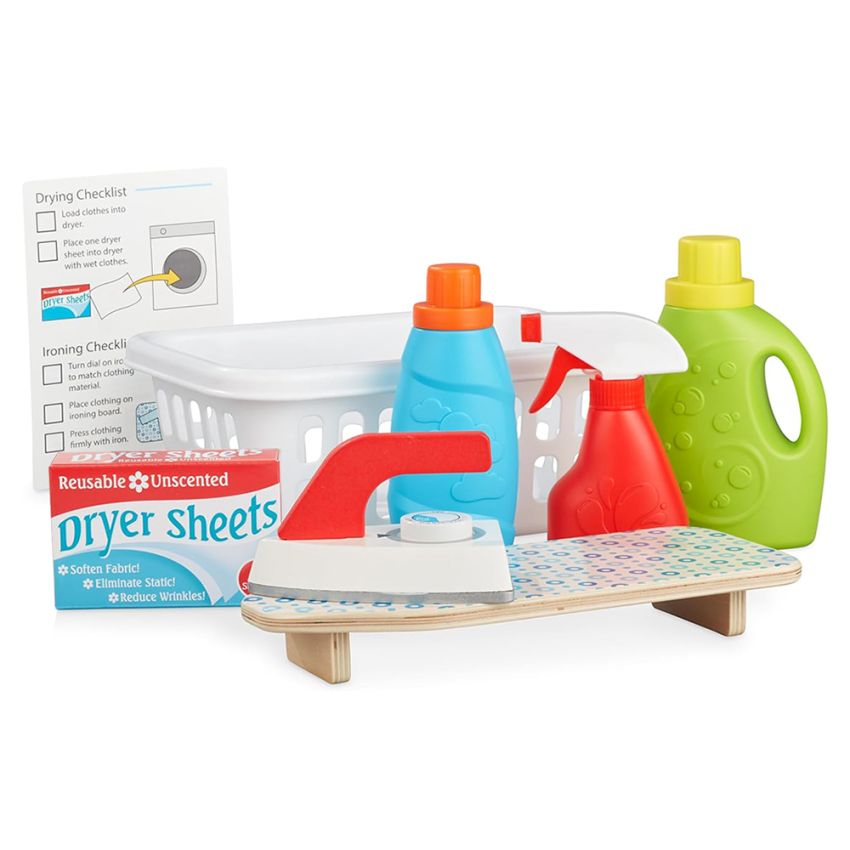
Pretend-play sets, such as those for housekeeping or market play, encourage imagination while promoting social growth. These activities help children understand social roles, practice cooperation, and develop empathy through shared experiences.
Community Service Projects
Materials for classroom-based service projects, such as simple craft supplies or baking tools, connect children to the broader community. Through participation, they learn the value of helping others and experience the joy of contributing meaningfully.
Conclusion
Montessori Practical Life Materials are carefully designed to meet the developmental needs of children while reflecting the realities of everyday life. Each activity serves a dual purpose: cultivating independence and embedding respect for oneself, others, and the environment. For teachers and schools, selecting and integrating these materials is not merely about equipping a classroom - it is about nurturing confident, capable, and compassionate learners.
Explore our complete selection of Montessori materials for the Practical Life area — and every other curriculum area — at Kid Advance Montessori.