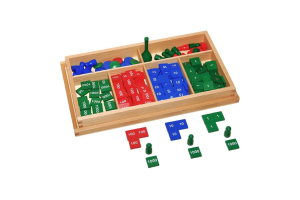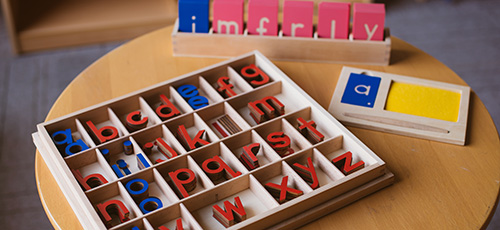
High Quality Montessori Materials for Home and Classroom
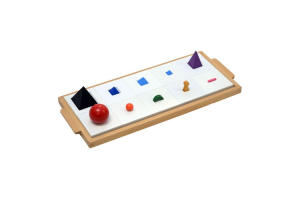
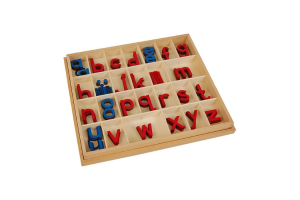
The quality of Montessori materials matters more than most people realize. A poorly made Pink Tower that wobbles, a Movable Alphabet with inconsistent letter sizes, or color tablets that don't truly isolate color differences — these flaws undermine the entire purpose of the material and frustrate children rather than engaging them. High-quality Montessori materials, by contrast, are precise, durable, beautiful, and built to withstand years of daily use. At Kid Advance Montessori, we manufacture our own products and control every stage of quality — so you can trust what you're buying.
Seating That Nourishes Growth and Autonomy
Every child merits a chair that accommodates their developing form and simultaneously nurtures good posture and autonomy. Solid beechwood and simple straight-back chairs exemplify this principle. Their thoughtful design supports adolescents firmly yet gently, guiding developing spines toward healthy alignment with each story, lesson, or free play session.
Light enough for even toddlers to reposition, these chairs cultivate children’s independence one small adjustment at a time. Shifting chairs from circle time to a sunny corner empowers children to claim ownership of their environment. Arranging them in groups of two or three further invites collaboration, so young learners can negotiate, share, and explore - in other words, they actively sculpt community alongside their own sturdy spine.
Mobility and Adaptability in Storage Solutions
Any thoughtfully designed Montessori-informed environment prioritizes accessibility. Authentic Montessori materials must rest continuously within the child’s reach, fostering autonomous selection and purposeful work. A mobile storage unit strategically merges flexibly arranged organization with intuitive retrieval:
• Adjustable shelves capture Montessori materials across diverse dimensions, permitting bespoke accommodation.
• Transparent, open-front accessibility encourages spontaneous discovery and nourishes developing curiosity.
• Industrial-strength casters enable educators to transport units effortlessly amongst classrooms, learning centers, or outdoor settings.
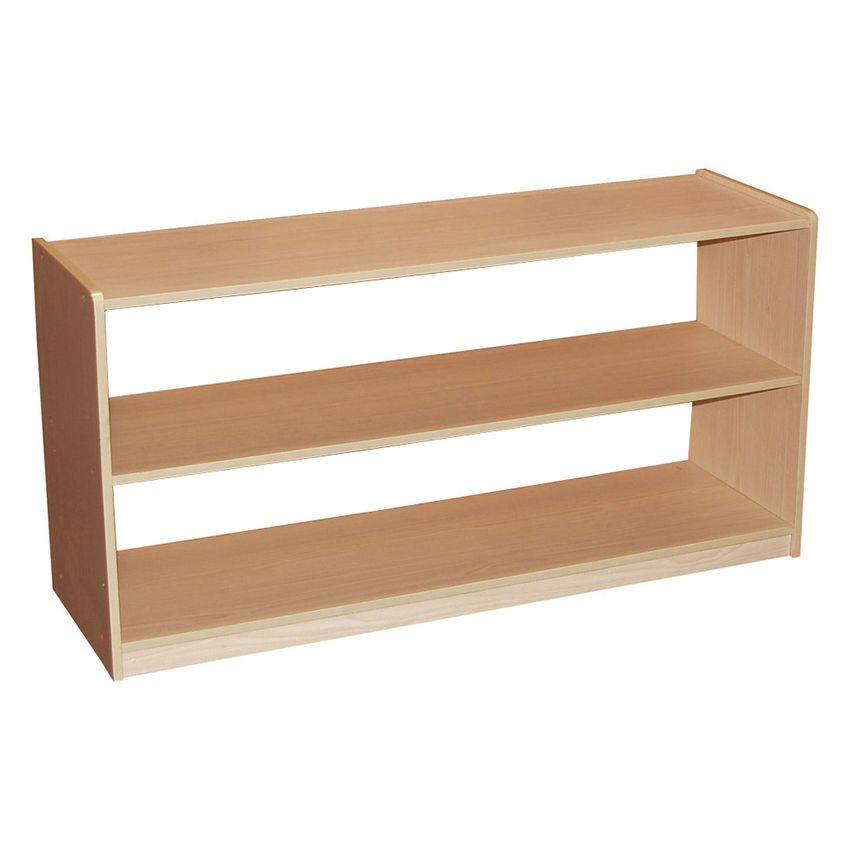
For compact home collections, a two-shelf model delivers generous storage while preserving visual clarity. In larger classrooms, a three-shelf solution extends usable area without sacrificing the serene order that characterizes Montessori pedagogy. Both formats model the cultural norm of returning materials to designated spaces, instilling a quietly reinforced ethic of order and shared stewardship.
Open Access as a Catalyst for Learning
Open shelving functions as a silent guide that promotes agency rather than a passive container for knowledge. With all materials visible, young learners encounter autonomy as a lived experience; they assess, select, and engage without the mediation of an adult supervision.
The two-shelf adjustable open unit stands as a dynamic anchor in both home and classrooms. Its minimalist architecture adapts, transforming as competencies and curiosities advance; burgeoning collections supplant neglecting ones, yet the inherent structure encourages persistent transparency. By leaving every item proportionately visible, the unit models concise categorization and reaffirms the Montessori axiom that an orderly environment engenders an orderly intellect.
A Central Workstation for Creativity
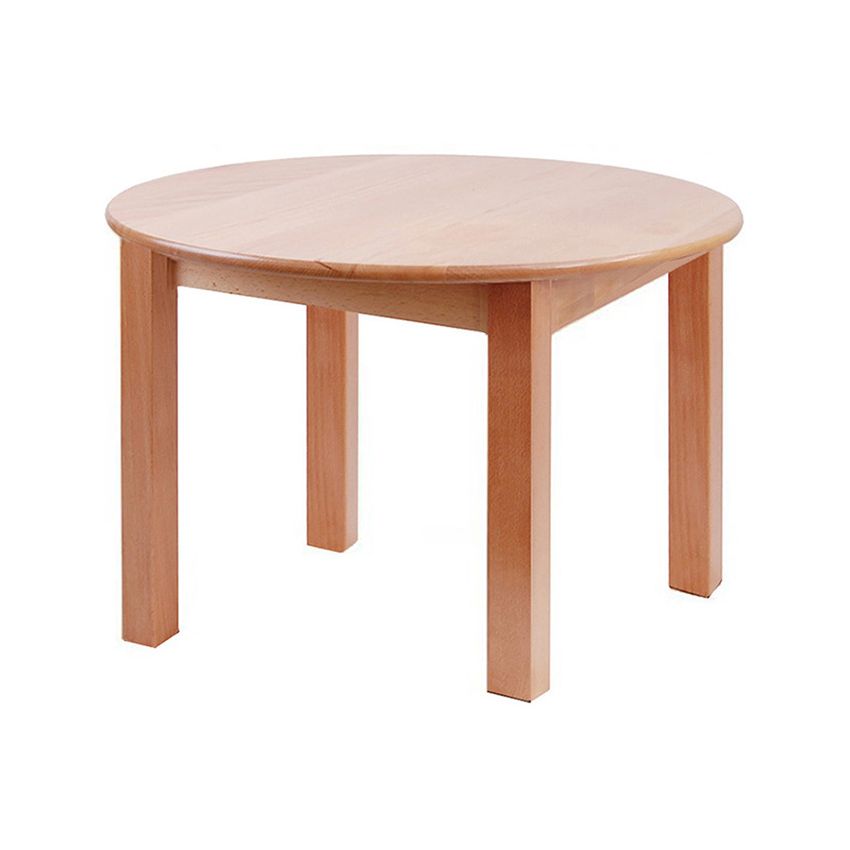
A central table - the heart, if you will, of a classroom or home learning space. Here, children work together, discover, and create. The right shape and size tables are crucial:
• Beechwood round tables avoid sharp edges that could cause injury or inequality in discussion or play.
• Square tables are convenient because they slip right into any corner space and create extra seating room.
• Rectangular tables give plenty of space for working on larger materials or collaborating with others.
No matter the form, each table should be made from solid wood for long-lasting use and durability. It is just as critical that tables be proportionate to chair height, offering comfort and allowing deep concentration for long periods of time.
Building a Prepared Environment
The perfect furniture does more than keep a room organized - it creates a prepared environment in which children flourish. Every piece has a purpose, making transitions between activities easy and further empowering a child's confidence and independence.
By carefully selecting seating, storage, and work surfaces, you create a space where:
• Materials are available and inviting.
• Kids cultivate responsibility by organizing and self-managing themselves.
• Play and learn naturally with minimal adult involvement.
We feel that investing in the future of our children, is simply the best investment we can make. With careful consideration of their environment, you're not just decorating a room - you're setting the stage for a lifelong love of curiosity, attention, and learning.
Browse our complete range of high-quality Montessori materials — for both home environments and full classroom setups — at Kid Advance Montessori.