Some Montessori Practical Life Materials That Make Your Kids More Intelligent and Active
Intelligence in young children isn't just about academic knowledge — it's about the ability to focus, problem-solve, coordinate their movements, and engage independently with their environment. Montessori Practical Life materials develop all of these capacities simultaneously, through activities that mirror the real tasks of daily life. Pouring, sorting, buttoning, sweeping, and food preparation — these aren't just chores. In a Montessori environment, they're the foundation of intellectual and physical development. At Kid Advance Montessori, our Practical Life range is one of the most popular areas within our complete collection of Montessori materials.
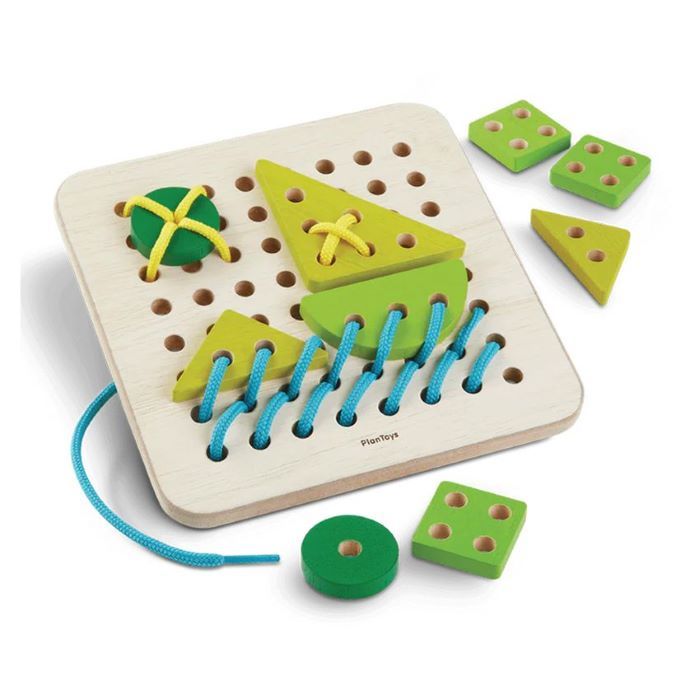
Lacing Board
A board with neat holes and a soft cord may look ordinary and simple. However, each pass of the lace through a hole builds more than just muscle memory. Children plan where to push, how to pull, and which way to turn. Our Montessori Practical Life materials train the mind in sequence, direction, and order. Such quiet concentration is a sign of real engagement — a skill that later supports writing, drawing, and handling daily tasks with ease.
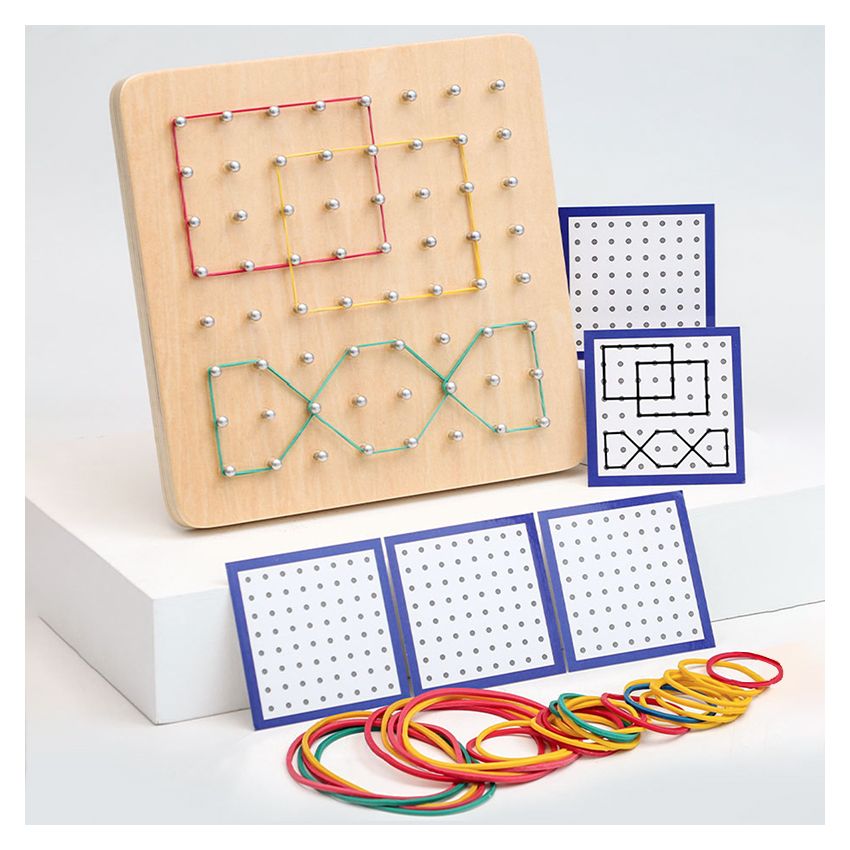
Wooden Peg Board
With a wooden peg board, small pegs rest beside slots waiting for the right fit. Children pick them one by one, match size to space, and slide them into place. It is steady work that calls for careful eyes and accurate hands. This activity through our Montessori practical life materials teaches them to notice differences, remember where a piece belongs, and create patterns. Both sides of the body begin to work in better balance, which is an important for sports, art, and even complex problem-solving in later years to come.
Tie-up Shoe
A small shoe with laces is more than a lesson in self-care. Looping and pulling the lace is a chain of steps that needs memory, focus, and fine motor skills. Every knot strengthens the fingers and sharpens control. The pride that comes with tying a shoe on their own is powerful and rewarding. It pushes them toward mastering other skills that also demand patience and steady practice.
Folding Cloth Activity
A cloth square becomes a puzzle when asked to fold it neatly. Matching edges teaches symmetry, while following fold lines trains accuracy. Doing this without help means they must picture the move before making it. This form of mental rehearsal is linked to strong reasoning skills. The activity also builds patience, because rushing almost always leads to uneven folds.
Screwdriver Board Set
A flat surface with screws, bolts, and matching tools opens a safe door to real-world problem-solving skills. Turning each piece in or out needs a mix of strength and delicate control. Children also discover how parts fit together. This simple awareness can grow into mechanical thinking, and a curiosity about how things work. It also teaches respect for tools, and the right way to use them.
Using Lids and Jar
Jars with different lids are perfect for teaching how movement matches design. Some need turning, others need lifting, and a few call for pressing. The fingers learn through trial, and the mind remembers which method works.
Why These Work So Well
Every one of these activities ties thought to action. The brain grows stronger connections when the hands are busy in a purposeful way. Nerves send signals back and forth, sharpening both skill and memory. Clear beginnings and endings help children focus better. They see progress, feel in control, and enjoy mastery, each of which fuels the will to learn more.
Make your child more independent, focused, and active with our full range of Montessori materials — including all Practical Life tools — at Kid Advance Montessori.