Various Montessori Materials That Kindergarten Can Buy For Kids
Equipping a Montessori kindergarten environment requires careful consideration of the curriculum sequence, the age range of children in the room, and the specific developmental goals for the Primary years (ages 3–6). The right materials support independent exploration, group work, and the gradual transition from concrete to abstract thinking. At Kid Advance Montessori, we supply kindergartens and Primary classrooms across the United States with a complete range of authentic Montessori materials — spanning all five curriculum areas.
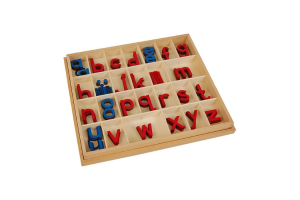
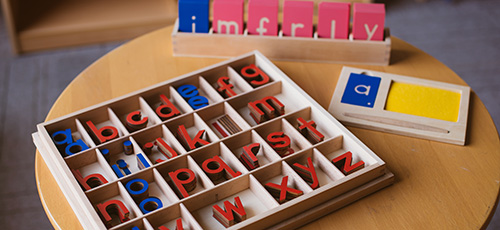
Lowercase Small Movable Alphabets
Letters take on a new life when a child can actually hold them. Lowercase small movable alphabets provide that exact experience. This direct handling of letters strengthens the sound and symbol connection. It’s quiet work, yet it has a deep impact on reading readiness. Many teachers notice that children who play with Montessori Materials often approach reading and writing with curiosity instead of fear.
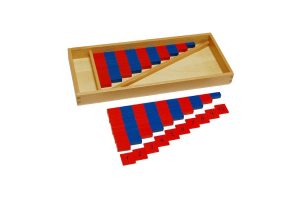
Numerical Rods
Numbers can seem like empty words until they take physical form. Numerical rods give each number its own length and weight. Children can line them up, compare them, and instantly see how values change from one to the next. Through this simple activity with our Montessori Materials, they gain a clear mental picture of numerical growth. Counting becomes something they can physically measure, making future concepts like addition and subtraction easier to grasp. In group play, rods often spark teamwork. Children arrange patterns together, swap pieces, and solve little challenges, building both number sense and social skills at the same time.
Printed Numerical Wooden Cards with Box
Knowing a number is one skill. Knowing where it fits in a system is another. Printed numerical wooden cards help bridge this gap. Each card carries a clear and visible number that children can handle repeatedly. Placing the cards in order helps them see how numbers follow a predictable sequence. Matching each card with real objects ties the symbol to a quantity they can count. This back-and-forth between visual recognition and real counting builds solid number fluency. The freedom to move and rearrange the cards without risk of mistakes encourages practice. This repeated practice deepens understanding naturally, without pressure.
Spindle Box with Forty-Five Spindles
Fingers are a fine start for counting, but they have limits. A spindle box extends this idea by offering numbered compartments for sets of spindles. Each slot represents a number, and children fill it with the correct amount. The concept of zero becomes clear here. An empty space shows what “nothing” looks like in a way children can see and touch. Placing each spindle also builds the habit of one-to-one counting, a skill that will follow them into more complex math. Many children revisit the spindle box again and again. The act of filling spaces correctly becomes a satisfying challenge they want to repeat.
Subtraction Working Charts
Taking away can feel harder than adding for a young learner. Subtraction working charts turn the process into something visual and predictable. Rows of numbers show exactly what happens when one number is reduced by another. Children can follow each step, check their answers, and adjust if they’ve gone wrong. This builds both confidence and independence. Over time, they begin to see patterns in the answers, which helps them remember basic subtraction facts without endless repetition.
End Note
By letting children touch, move, and explore, these materials make ideas feel real. Once a child has felt an idea take shape in their own hands, it becomes part of how they think forever. That is the quiet, lasting power of the right educational materials.
Equip your kindergarten environment with our complete range of Montessori materials — trusted by Primary classrooms across the United States since 2001.