Montessori Practical Life Materials: Building Independence through Meaningful Learning
Early childhood education is most effective when it extends beyond books and worksheets. While academic knowledge is important, true growth also depends on developing essential life skills from an early age. For parents, teachers, and caregivers, one of the most effective ways to nurture independence, confidence, and responsibility in children is through Montessori Practical Life materials. Practical Life is one of five core curriculum areas covered in our complete range of authentic Montessori materials at Kid Advance Montessori — and it's the area most educators recommend starting with, as it builds the concentration and fine motor control children need for all subsequent learning.
What are Montessori Practical Life Materials?
Montessori Practical Life Materials are unique educational tools designed to mirror everyday activities in a child-friendly way. Unlike traditional toys, these materials are purposeful and functional. They may resemble items found in the home—such as kitchen utensils, cleaning tools, or gardening equipment—but are adapted for small hands and developmental needs.
Through these materials, children gain hands-on experiences that foster independence, strengthen coordination, and cultivate an understanding of how daily life functions. For educators, they represent a bridge between classroom learning and real-world application.
Teaching Essential Life Skills
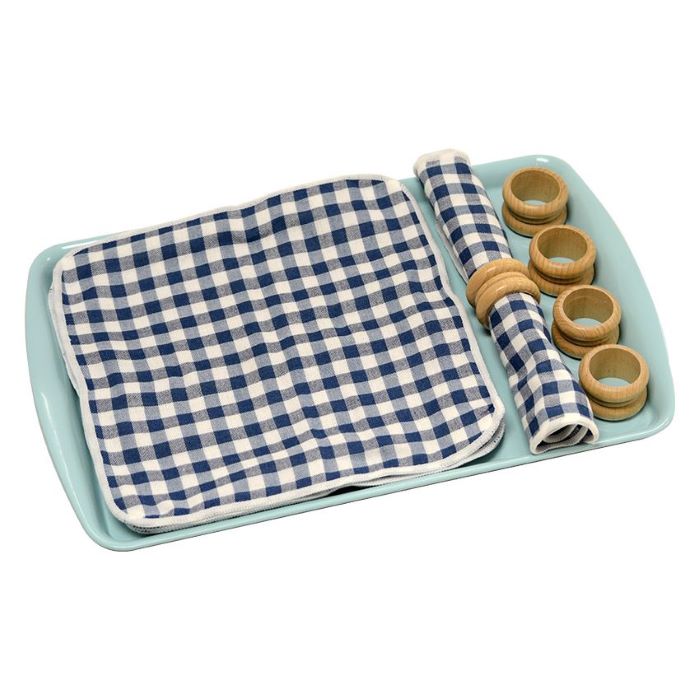
Children thrive when they are trusted with meaningful tasks. With Practical Life Materials, students can learn skills such as pouring water, buttoning a shirt, tying shoelaces, arranging flowers, setting a table, or polishing objects. These activities are not only practical, but also empowering.
By engaging in such exercises, children learn that no task is limited by gender- both boys and girls benefit equally from mastering these everyday responsibilities. Over time, this training develops self-reliance, problem-solving abilities, and respect for work, laying a foundation for lifelong independence.
Strengthening Motor Skills
Practical Life activities also play a critical role in refining motor development. Whether transferring beans with a spoon, fastening buckles, or using simple tools, children begin to strengthen their gross motor coordination. Mastery of these physical movements supports everything from handwriting to self-care, while also boosting focus and concentration.
When children can confidently control their movements, they are safer, more capable, and better prepared for future academic challenges.
Building Social Awareness and Courtesy
Beyond physical skills, Practical Life Materials introduce children to social responsibilities and manners. Activities such as serving refreshments, greeting guests politely, or organizing belongings foster grace, courtesy, and respect for others. These experiences help children develop empathy and awareness, a quality essential for creating harmonious classroom and family environments.
Encouraging Responsibility at Home and School
Perhaps one of the most valuable aspects of Montessori Practical Life work is its ability to instill responsibility. When children are invited to contribute to household or classroom tasks, such as sweeping, folding laundry, or helping prepare food - they develop a sense of belonging and pride in their contributions.
From an early age, children learn that responsibility is not defined by gender roles, but by participation and care for one’s community. This not only strengthens family and classroom bonds, but also prepares students to grow into thoughtful, capable adults.
Shop our full collection of Montessori materials — from Practical Life to Sensorial, Language, Math, and Geography — at Kid Advance Montessori.