Benefits of Buying Montessori Materials for Home
Montessori education doesn't have to stop at the classroom door. In fact, some of the most powerful Montessori learning happens at home — in the kitchen, at a small table in the corner of a bedroom, or in a carefully arranged shelf of materials a child can access independently. The benefits of bringing authentic Montessori materials into your home environment extend far beyond academics — they support independence, concentration, fine motor development, and a genuine love of learning that carries through childhood and beyond.
What Makes Montessori Materials Unique?
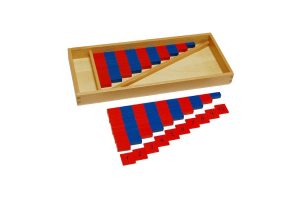
Unlike conventional toys, which often focus on entertainment or distraction, Montessori materials are deeply rooted in the philosophy of Dr. Maria Montessori. Each material is intentionally designed to highlight a single concept, skill, or developmental area. This focus helps children concentrate, repeat activities, and gain mastery at their own pace. For instance, number rods provide a visual and tactile introduction to mathematical concepts, while language objects foster vocabulary building and early literacy.
The guiding principle is always active, hands-on engagement. Instead of passively absorbing information, children explore, manipulate, and experiment with the materials. This experiential process not only strengthens cognitive skills, but also builds confidence and independence - qualities that extend well beyond early education.
Types of Montessori Materials for Home
Montessori resources fall into several categories, each addressing different areas of development:
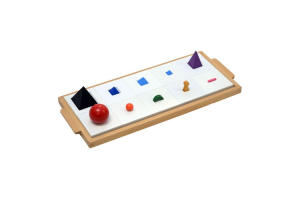
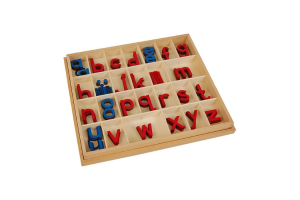
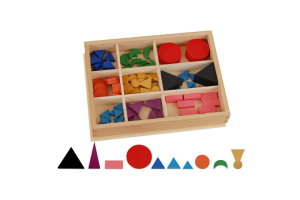
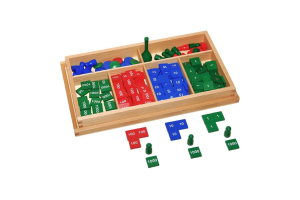
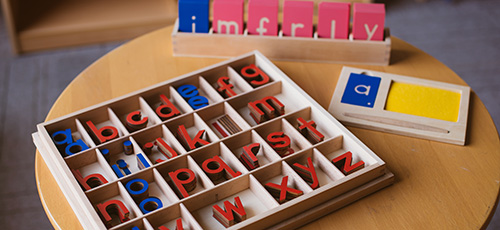
• Language and Mathematics Materials: These tools introduce children to phonetics, vocabulary, numbers, and problem-solving strategies. They create a strong foundation for reading, writing, and arithmetic.
• Practical Life Materials: These resources replicate real-life activities, such as pouring, buttoning, or sorting. By practicing everyday tasks, children refine motor skills, develop patience, and gain independence.
• Sensorial Materials: Designed to refine the senses, these materials help children distinguish differences in size, shape, color, texture, and sound. This sensory training enhances observation, reasoning, and classification skills.
Each category plays a vital role in holistic development, making Montessori materials highly adaptable to both classroom and home environments.
Benefits of Montessori Materials at Home
Bringing Montessori materials into the home offers long-lasting educational and developmental benefits:
• Promotes Independence: Children gain confidence by selecting, engaging with, and completing activities on their own. This independence nurtures resilience and self-motivation.
• Develops Problem-Solving Skills: Many Montessori resources are self-correcting, allowing children to recognize mistakes and adjust without adult intervention. This process strengthens logical reasoning and persistence.
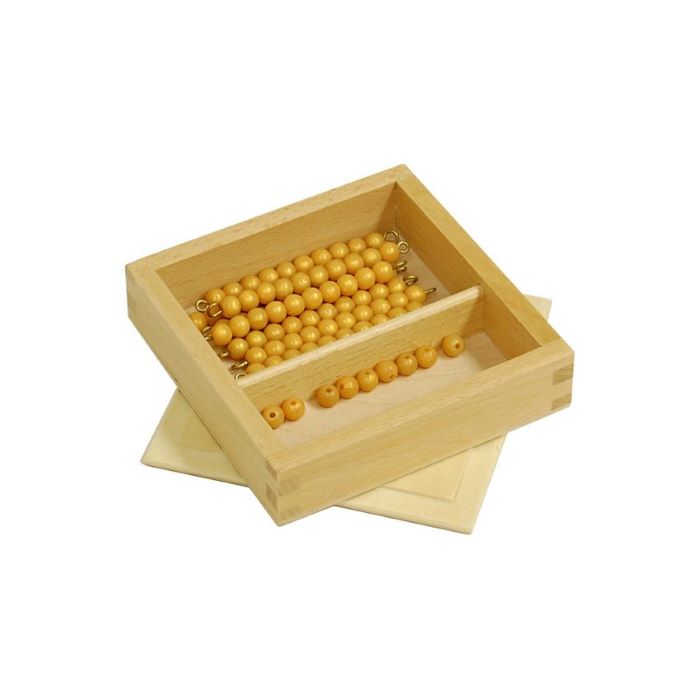
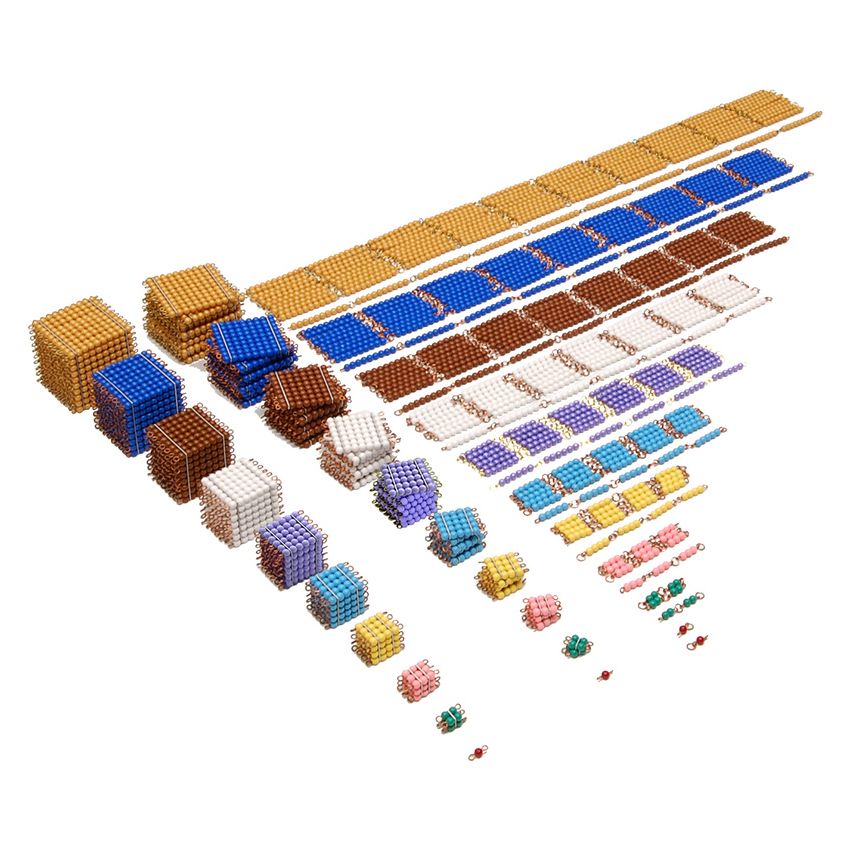
• Encourages Experiential Learning: When children physically handle objects, such as bead chains or sandpaper letters, abstract concepts become tangible. This hands-on approach leads to deeper understanding and better retention.
• Supports Sensitive Periods of Learning: Montessori philosophy emphasizes that children experience developmental “windows” during which they are especially receptive to certain skills. Materials introduced during these periods help maximize natural learning potential.
• Safe, Durable, and Engaging: High-quality Montessori materials are built to last and designed with safety in mind. Their engaging nature keeps children interested for years, ensuring long-term educational value.
Choosing the Right Montessori Materials
Selecting the most appropriate materials requires careful thought. Parents and educators should focus on the child’s age, developmental stage, and personal interests. The right balance ensures that activities remain engaging yet challenging.
When in doubt, consulting a trained Montessori teacher can be highly beneficial. Professional guidance helps ensure that materials chosen for home use align with authentic Montessori practices. Families should also purchase from reputable suppliers to guarantee safety, durability, and educational accuracy.
Creating a Montessori-Friendly Home Environment
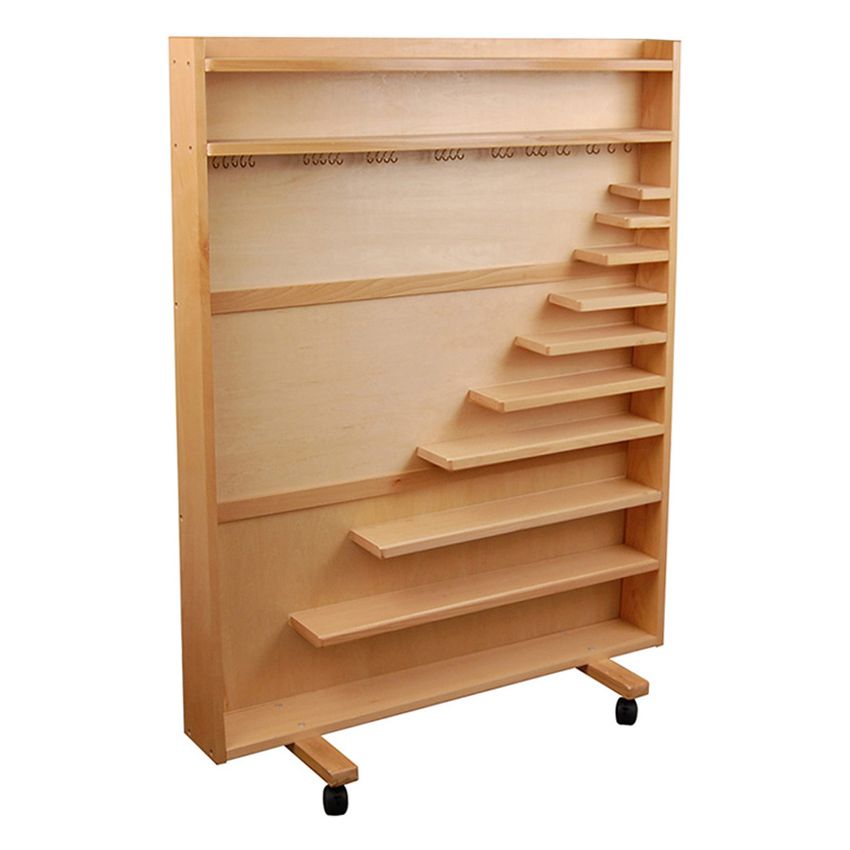
The benefits of Montessori materials are maximized when paired with a supportive environment. At home, this means designating a calm and organized space where children can access materials independently. Items should be neatly arranged and easy to reach, reinforcing order and responsibility.
Parents and caregivers should adopt the role of observers rather than directors. Allowing children to explore materials freely without unnecessary interferences and encourage focus, persistence, and genuine discovery. This approach empowers children to take ownership of their learning.
Final Thoughts
Montessori materials are far more than educational toys. They are purposeful tools that shape how children learn, think, and interact with their surroundings. When integrated into the home, they extend the principles of Montessori education beyond the classroom, nurturing independence, curiosity, and problem-solving skills.
Investing in Montessori materials for home use is not simply about buying toys. It is a commitment to fostering a child’s natural growth and creating an environment that supports meaningful, lifelong learning. With the right resources and guidance, families can help children build a strong foundation for both academic success and personal development.
Browse our complete range of Montessori materials for home — curated for parents and families who believe in the power of child-led learning.