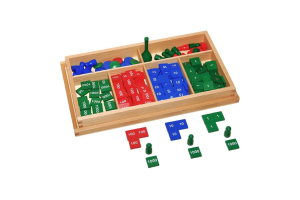
Nurture Intellectual Growth with the Best Montessori Botany Materials
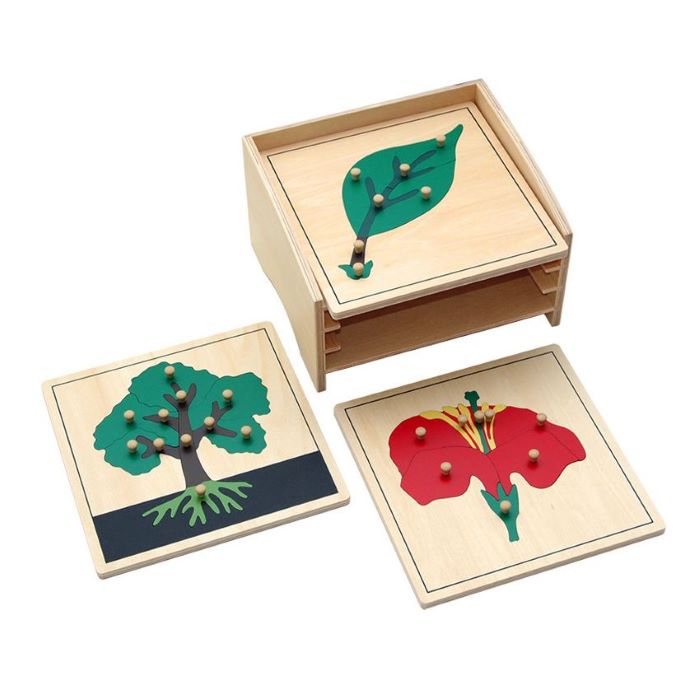
Botany in Montessori education goes far beyond labeling parts of a flower. It's an introduction to the living world — a way of helping children develop genuine scientific observation skills, a love of nature, and an understanding of how living things grow and change. Montessori Botany materials make this possible through hands-on exploration: leaf puzzles, plant specimens, classified cards, and observation activities that bring the natural world directly into the classroom. Botany is one of five curriculum areas covered in our collection of authentic Montessori materials at Kid Advance Montessori.
About the Materials
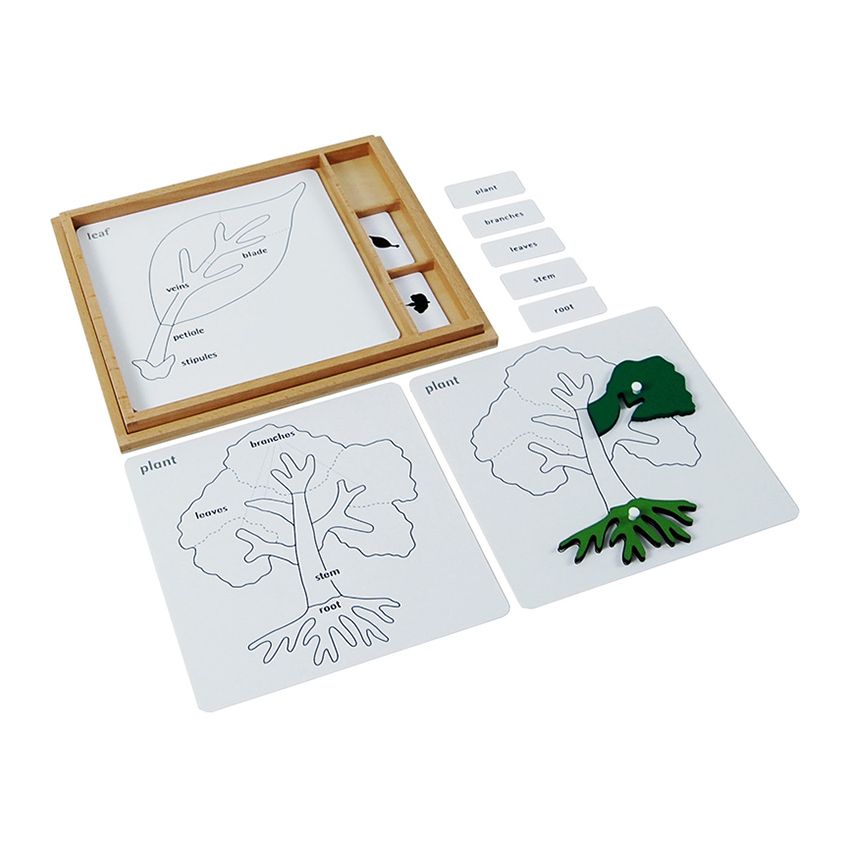
Montessori Botany Materials are carefully designed educational tools that bring biological concepts to life. These materials are not only visually appealing, but also pedagogically sound, making them ideal for classroom instruction. They often feature clear labeling, vivid illustrations, and hands-on components such as puzzles, charts, and three-dimensional models. Such resources allow children to explore the intricate structures of plants, flowers, fruits, and seeds in a way that is both accessible and memorable.
Comprehensive Coverage of Biology Concepts
Biology, as the study of living organisms, spans a wide range of topics - plants, animals, insects, humans, and the interconnected cycles of life. Montessori Botany Materials address this breadth by offering diverse teaching aids. For example, puzzles illustrate the different parts of a tree or a flower, while charts and models demonstrate the life cycle of plants and animals. These resources not only introduce children to biological facts, but also help them see the relationships that sustain life. Such multi-dimensional learning ensures that children develop a well-rounded understanding of biology from an early age.
Fostering Genuine Curiosity
Well-structured Montessori Botany Materials are more than just teaching aids - they are catalysts for curiosity. By presenting biology in a tactile and engaging format, they encourage children to ask questions, explore patterns, and connect what they learn with their everyday surroundings. Even if a child does not initially display a strong interest in science, these resources provide a foundation that will prove valuable when they encounter formal biology instruction in later grades. By the time children progress to middle school, where science branches into physics, chemistry, and biology, they can draw upon their Montessori foundation for deeper comprehension.
Supporting Cognitive Development
Early exposure to structured biology instruction has long-term benefits. Children who use Montessori Botany Materials often develop stronger memory retention, sharper observation skills, and a broader vocabulary related to the natural world. These advantages translate into improved academic performance, greater confidence in science classes, and a heightened ability to make connections across disciplines. Ultimately, such experiences not only prepare children for future studies, but also cultivate intellectual resilience and a love for learning.
Conclusion
Introducing children to the study of life through Montessori Botany Materials is a meaningful way to foster both academic excellence and personal growth. By providing thoughtfully designed tools that combine visual, tactile, and cognitive engagement, educators and parents can help children build a lasting foundation in biology. This early preparation equips students not only to excel in science, but also to approach the natural world with curiosity, respect, and understanding.
Nurture your child's love of the natural world with our full range of Montessori materials — including Botany, Geography, and Science tools — at Kid Advance Montessori.